
TÂN TRUYỀN THỐNG VIỆT NAM
Vietnamese roots, carried forward
Through the lens of a Central Coast home.
MiRi Hôm begins with a genuine Vietnamese culinary root, then carries it forward through ingredient provenance, fire, fish sauce, fermentation and seasonality. The result remains recognisably Vietnamese — clearer, deeper and thoughtfully served.
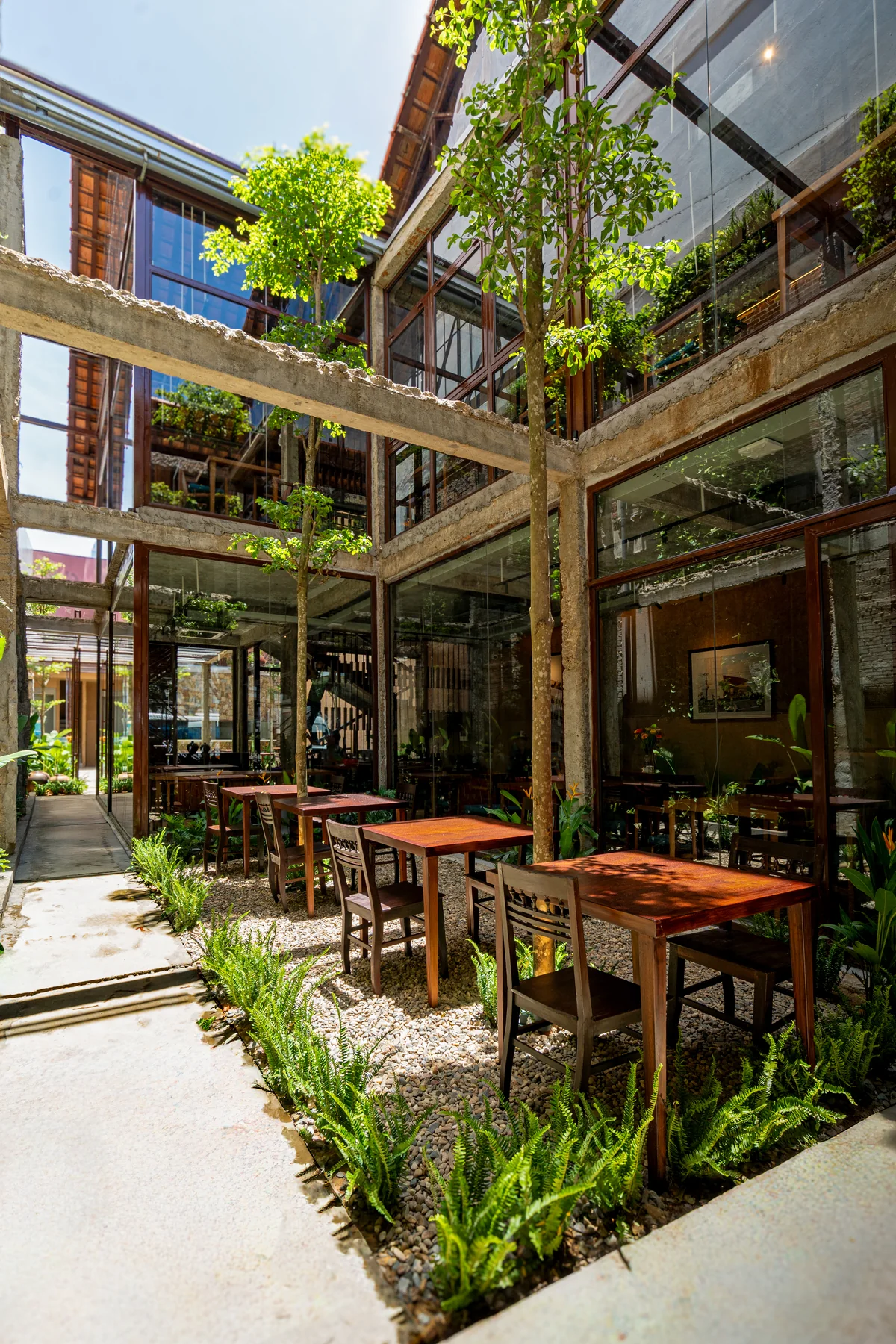
The house is the lens
The Central Coast home is a point of view, not a boundary. Layers of tiled roofs, shifting light, garden spaces and the movement between inside and outside give the philosophy a physical form.
That vision found its architectural expression through Nguyễn Hữu Hậu, an architect devoted to contemporary Vietnamese architecture. Working with an existing house, he shaped a place that feels familiar without recreating the past, gently leading guests from the threshold to the table.
Concept to Place
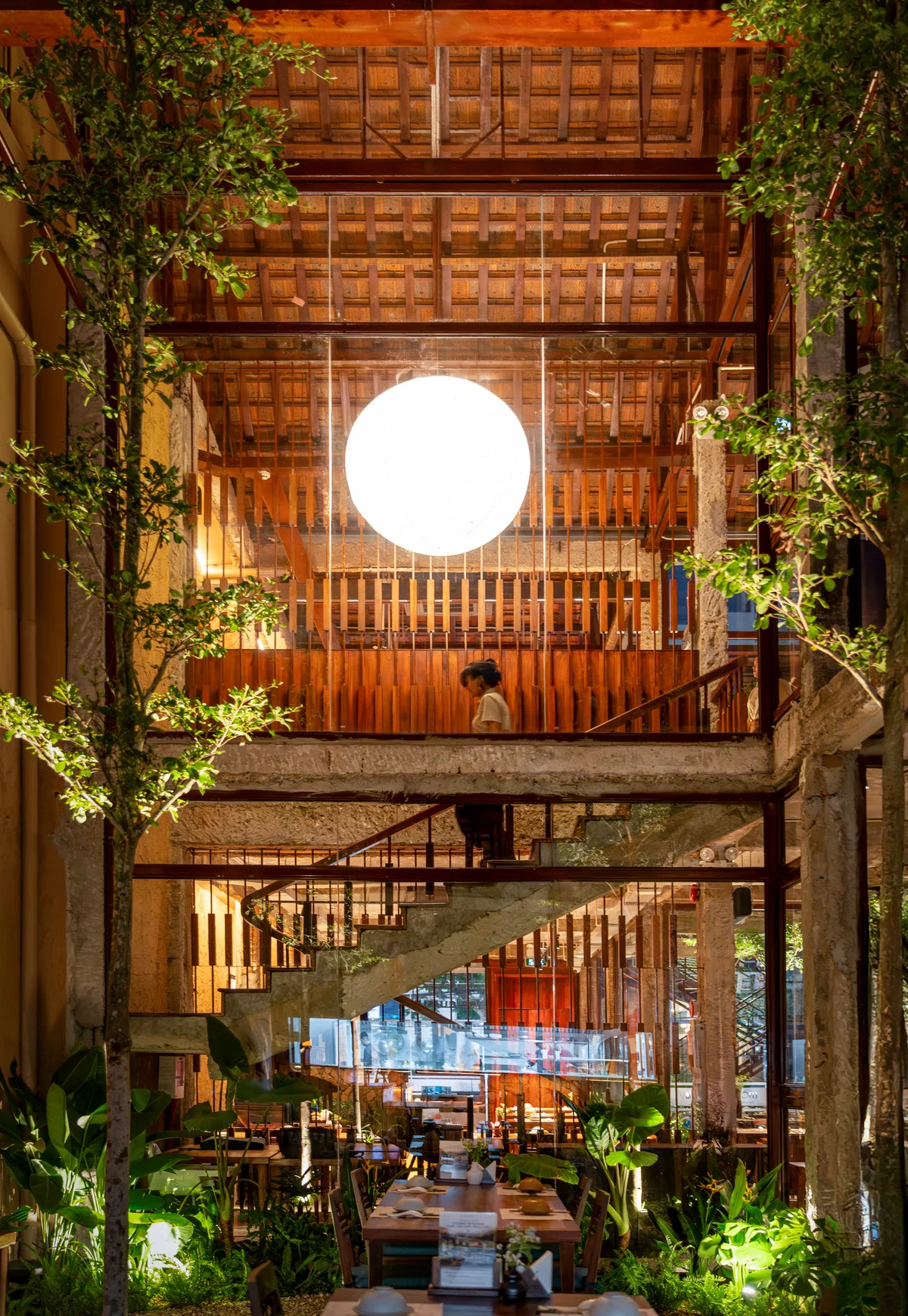
Nguyễn Hữu Hậu was part of the TAA Design team behind The Red Roof, named Architecture Project of the Year and Rural House of the Year at Dezeen Awards 2020.
Made deeper, never louder
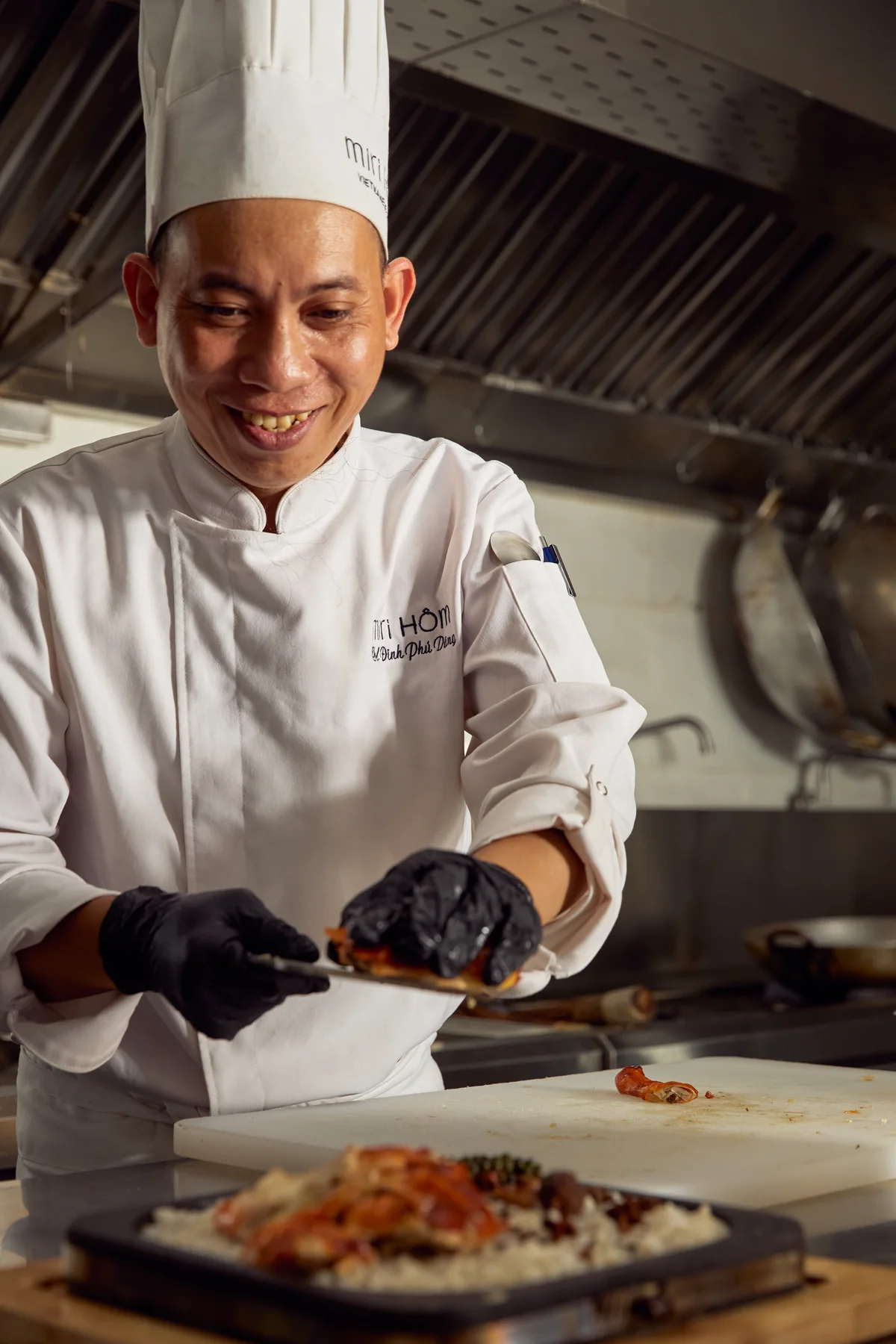
Tradition at MiRi Hôm is not held still. It begins with a dish, region, technique, ingredient or memory that truly belongs to Vietnamese food culture. Better ingredients and precise craft are then used to make its character clearer, deeper and more consistent.
Born in Quảng Nam on Vietnam’s Central Coast, Head Chef Đinh Phú Dũng brings a culinary sensibility shaped by the sea, herbs, fire, fish sauce, fermentation and shared meals. Technique serves flavour; it never makes Vietnamese food unfamiliar merely for novelty.
Wine continues the conversation
Wine can reveal another layer of Vietnamese food — herbs, seafood, smoke, savoury depth and roast.
Young sommelier Lưu Gia Bảo brings tireless curiosity to wine and an equally deep passion for Vietnamese food. His approach begins with the dish, allowing the glass to accompany the table rather than stand apart from it.
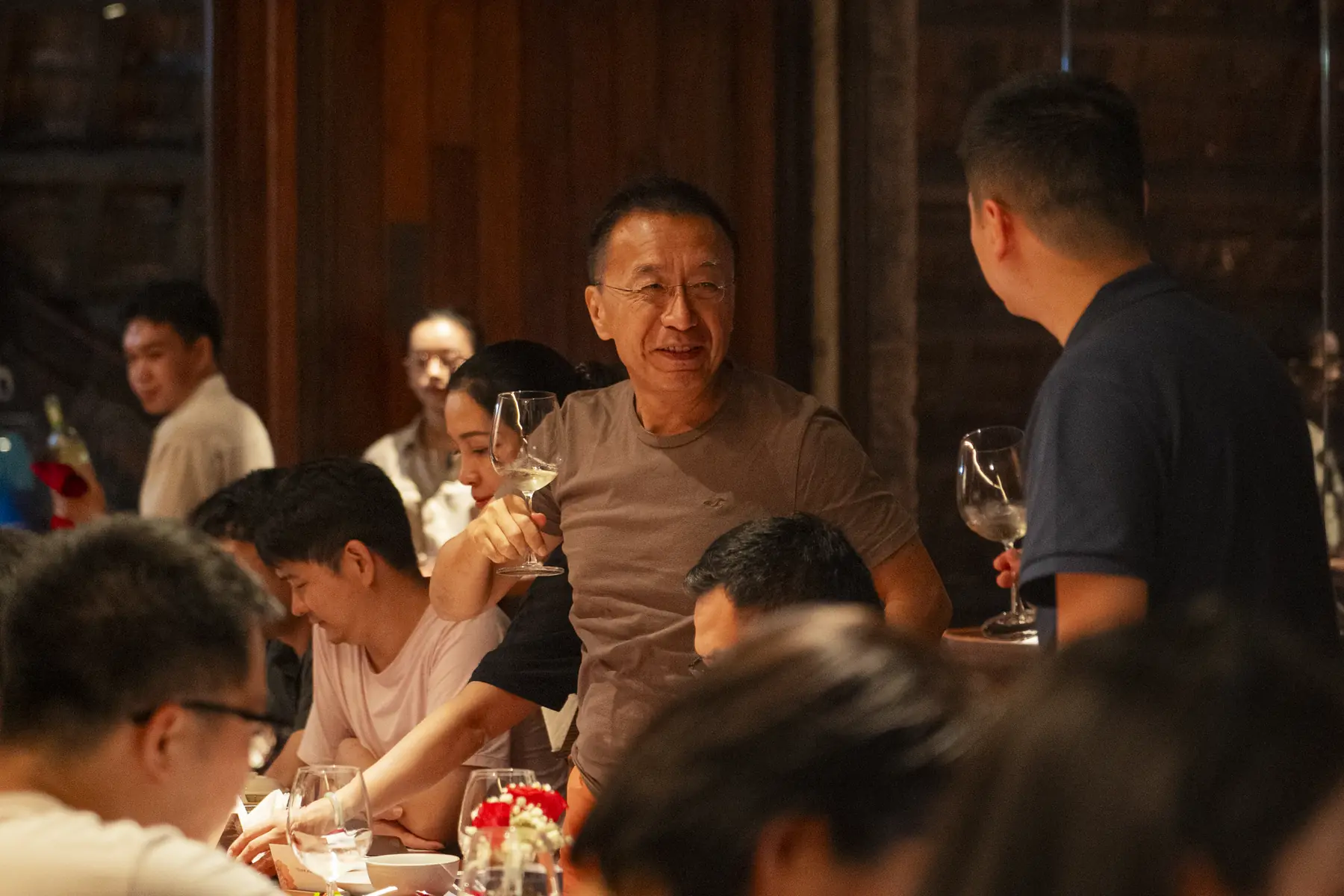
The table keeps the story alive
At the table, architecture becomes atmosphere, cooking becomes a meal to share and wine becomes conversation.
Hospitality is felt rather than announced — warm enough for guests to feel cared for, precise enough for the experience to feel effortless and refined enough to leave each table its own space.
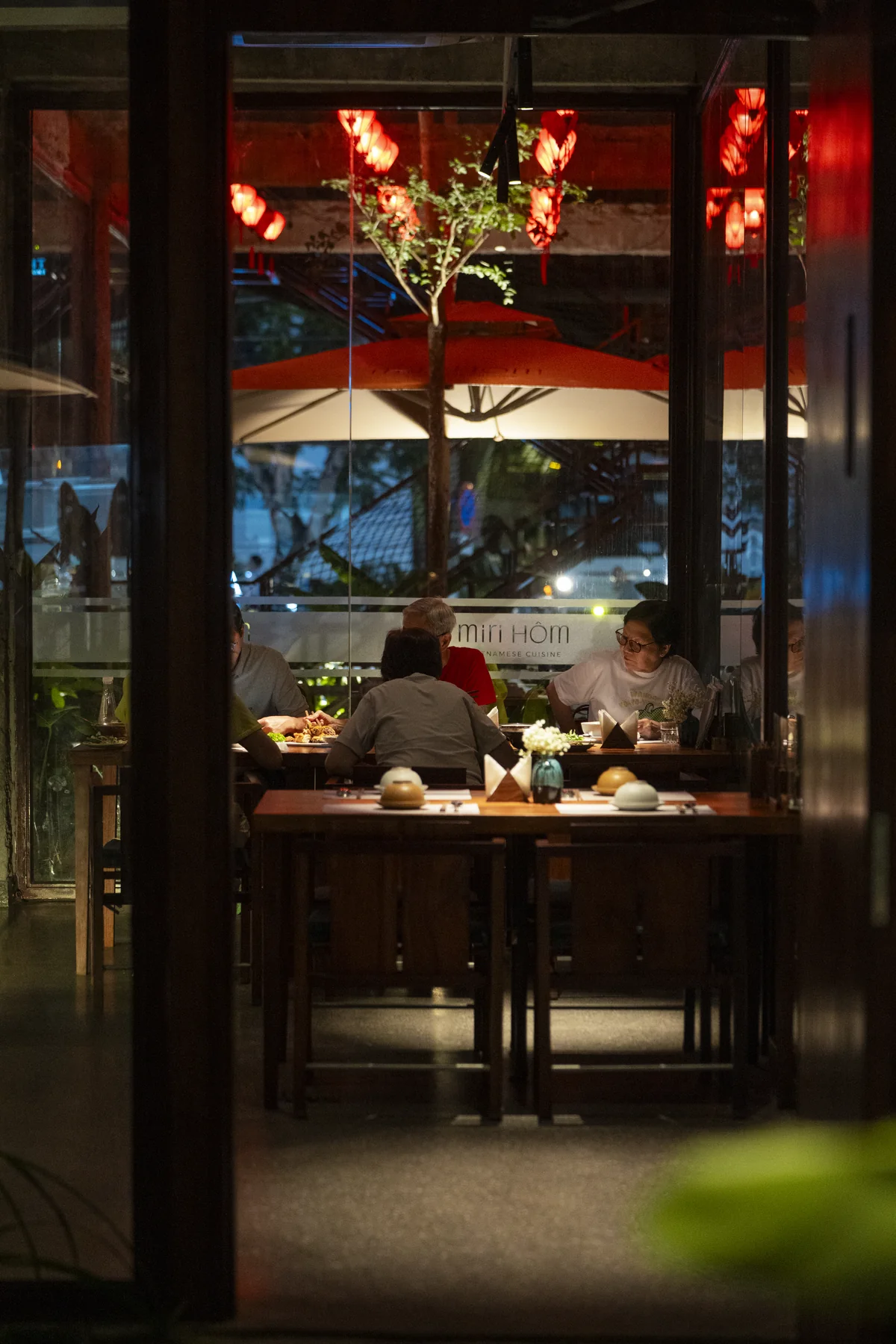
A roast duck, a crab, a plate of vegetables, a bowl of rice, a glass of wine, and the way a guest is welcomed should all feel as though they belong to the same world.
The world of MiRi Hôm.